 Dan Ikwee
 Wondering how much a trip to Lamu costs? Here’s my honest 3-day Lamu travel budget breakdown covering transport, accommodation, food, activities, hidden expenses, and practical tips for budget travelers visiting Kenya’s historic island destination.
Before I even began packing for Lamu, I found myself spending countless hours online, sifting through blog posts and travel forums, trying to get a clear picture of what this journey might actually cost. Some articles painted Lamu as an idyllic, budget-friendly haven for backpackers, a place where shillings stretched further than anywhere else along the coast. Yet, just a few clicks away, other sources suggested it had transformed into a rather pricey destination, primarily catering to international tourists with deeper pockets. The conflicting information left me feeling a little uncertain, so after a while, I decided the only real way to cut through the noise was to go there myself, experience it firsthand, and meticulously track every single shilling I spent along the way.
My intention was straightforward enough. I wanted to immerse myself in the spirit of Lamu, to truly enjoy its unique rhythm and culture, but without spending any more money than was necessary. This wasn’t a quest for luxury; instead, it was about finding a balance—experiencing the island’s famous culture, tasting its distinctive food, soaking in the scenery, and trying some of its celebrated activities, all within a realistic financial framework. I wasn’t interested in booking into an expensive resort or paying for private tours that felt out of sync with the island’s authentic character. What I truly sought was a relatable travel experience, one that an average Kenyan traveler, a backpacker from abroad, or any budget-conscious tourist could genuinely connect with and perhaps even replicate.
After three days spent navigating the ancient alleyways and breezy waterfronts of the island, a clear truth emerged: Lamu holds the potential to be surprisingly affordable if you approach it with a bit of foresight and careful planning. At the same time, I quickly learned just how easy it could be for expenses to spiral out of control if I wasn’t paying close attention to every shilling spent. This account, then, is my candid breakdown of what I actually spent, the unexpected discoveries that surprised me, and my honest reflection on whether the entire trip felt truly worth the money.
Why I Chose Lamu
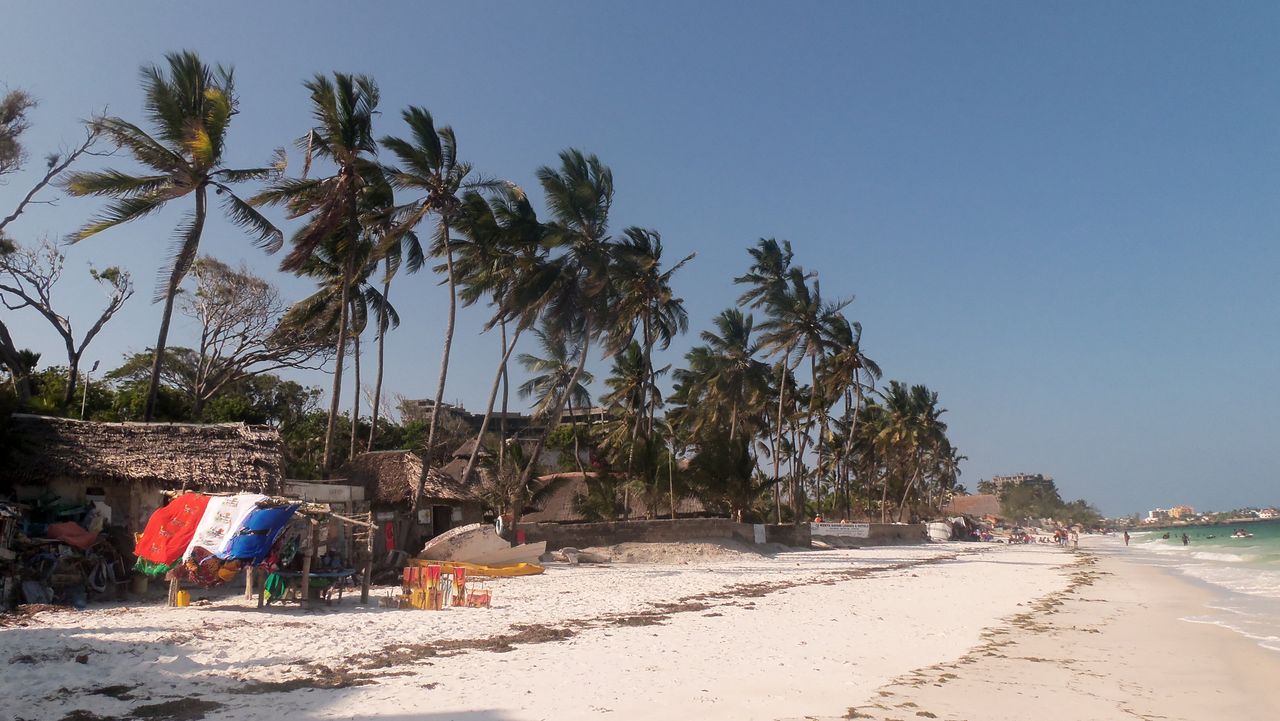
Lamu had lingered on my personal travel bucket list for what felt like ages, a destination always promising something distinct. While places like Nairobi, Mombasa, Kisumu, or Diani each offer their own vibrant charms and attractions, Lamu always seemed to whisper of an entirely different world. What drew me in most powerfully was the island’s unique Swahili culture, deeply rooted and visibly expressed in its historic architecture. I imagined myself wandering through narrow, winding streets, watching traditional dhow boats glide across the water, and simply embracing a slower, more deliberate pace of life—a stark contrast to the rush of city living.
Many travelers I’d spoken to, and certainly many blogs I’d read, described Lamu as a place where time itself seemed to have paused. The thought of stepping back into such an era was incredibly appealing. Indeed, the old town itself operates with very few vehicles; the clip-clop of donkey hooves remains one of the most common sounds, as these resilient animals still serve as a primary mode of transport. This singular detail alone made the destination feel profoundly different from any other place I had visited in Kenya, promising an adventure unlike any other.
Beyond the cultural allure, I also longed for a destination where I could genuinely relax, explore at my own rhythm, and truly immerse myself in authentic coastal culture without the constant barrage of crowds and traffic that often characterize popular tourist spots. Lamu, with its quiet charm and timeless atmosphere, presented itself as the perfect choice, a tranquil escape where history and serenity intertwined.
Planning My Budget before the Trip
Before embarking on this much-anticipated journey, I took some time to set a rough budget for myself, aiming for around KSh 20,000 to cover the entire trip. This figure, I hoped, would be enough to comfortably manage all my projected expenses: transportation to and from the island, accommodation for my stay, all my meals, any activities I wanted to try, snacks, and a little buffer for those inevitable, unexpected costs that always seem to crop up during travel.
From my prior travel experiences, I knew that the journey itself would likely consume a significant portion of my budget. Unlike many destinations within Kenya that can be reached directly and relatively affordably by road, a trip to Lamu typically involves multiple stages of transport. This usually includes a long-distance bus or matatu ride, followed by a boat transfer across the water to the island itself. The thought of these multi-leg transfers always makes me factor in a bit more.
To safeguard against any unforeseen surprises or minor emergencies, I made sure to carry a small amount of extra money, tucked away separately. While I hoped to stay well within my KSh 20,000 spending limit, having that financial cushion always provides a comforting sense of security when you’re away from home, allowing for a bit more peace of mind as you explore.
Day One: The Journey to Lamu
The first day of my Lamu adventure was, as expected, almost entirely dedicated to the journey itself—a considerable trek that stretched across much of the day. Setting out early in the morning, the initial leg involved a long-distance bus ride that took me deep into the coastal region. I settled into my seat, watching the landscapes shift from bustling urban sprawl to open plains, then gradually to the lush, green hues of the coast, the air growing warmer and more humid with every passing mile.
As anticipated, transport quickly became the single largest expense of my trip. Reaching the Kenyan coast already demands a notable investment, and then extending that journey to Lamu tacks on additional transfers, each with its own cost. The long-distance ticket for this initial leg of the journey cost me approximately KSh 3,000. It was a comfortable enough ride, but the hours passed slowly, filled with anticipation.
Once the bus finally delivered me to the mainland connection point, I then had to arrange for the final leg—the vital boat transfer that would carry me across the channel to Lamu Island itself. This ferry ride, an integral part of the experience, came to around KSh 500. While waiting for the boat and during various stops along the way, I also made sure to pick up some bottled water and a few quick snacks to stave off hunger and thirst, spending another KSh 400. By the time the boat finally docked and I stepped onto the ancient soil of Lamu, my total transport-related expenses for the first day had already climbed to nearly KSh 3,900.
Though that figure might sound substantial for a single day’s travel, the boat ride to the island felt like a payoff in itself, making every shilling seem worthwhile. As our vessel cut through the calm, shimmering water, the vast expanse of the ocean stretching out before us, Lamu slowly materialized on the horizon—a cluster of white and stone buildings nestled among palm trees. It was a truly memorable first impression, the island rising from the sea, instantly justifying the considerable effort and cost required to get there.
Finding Budget Accommodation
Accommodation was a specific area where I was absolutely determined to keep my spending in check. I knew from past experiences that lodging could easily become a budget killer if not approached strategically, and for this trip, I was focused on practicality over extravagance.
A quick preliminary search during my planning phase had immediately revealed the stark reality: some of the beachfront hotels and more luxurious resorts on the island were charging anywhere from KSh 8,000 to a staggering KSh 20,000 per night. These prices, while perhaps fitting for a different kind of vacation, were undeniably far beyond the comfortable limits of my budget and the realistic scope of my trip. I wasn’t looking to spend my days lounging by a resort pool; I wanted to be out exploring.
Instead, I shifted my focus entirely towards guesthouses and smaller, locally owned accommodations, often found nestled deeper within the winding alleys of Lamu Town. After comparing several promising options, I eventually found a charming guesthouse that struck the perfect balance between comfort and cost, charging approximately KSh 2,500 per night. Given that my itinerary allowed for a two-night stay, my total accommodation cost for the entire trip came to around KSh 5,000.
The room itself was by no means luxurious; there were no opulent furnishings or sprawling views of the ocean from my window. However, it provided absolutely everything I needed for a comfortable and secure base. I had a clean, comfortable bed, my own private bathroom, a fan to keep the tropical heat at bay, and, crucially, reliable Wi-Fi that allowed me to stay connected. The guesthouse felt secure and welcoming, and for someone like me, who planned to spend the vast majority of my time exploring the island’s vibrant streets and waterfronts, paying for anything more elaborate simply didn’t make practical or financial sense.
One valuable lesson that consistently resurfaces during my travels, and which was reinforced in Lamu, is that many people tend to overspend on accommodation when visiting destinations rich in culture and outdoor experiences. Unless your primary intention is to spend most of your vacation confined within the walls of a fancy hotel, a clean, comfortable, and well-located guesthouse often proves to be more than sufficient, allowing you to allocate those savings to more enriching experiences.
Food Costs in Lamu
One of the most delightful and surprising aspects of my entire trip was just how much I thoroughly enjoyed the food in Lamu. Even before arriving, I had heard whispers of its unique culinary heritage, but experiencing it firsthand was something else entirely.
Lamu’s cuisine is a captivating reflection of centuries of Swahili influence, a vibrant tapestry woven with aromatic spices, fresh seafood caught daily from the Indian Ocean, the creamy sweetness of coconut, and traditional cooking methods passed down through generations. Each meal became an exploration in
Itself, a highlight of my journey that engaged all my senses, from the vibrant colors to the complex flavors and intoxicating aromas.
Every morning, I made it a point to seek out local spots for breakfast, typically spending somewhere between KSh 250 and KSh 350. My plate would usually feature a comforting cup of spiced tea, perhaps some flaky chapati, or the soft, sweet mahamri, a local fried dough that quickly became a favorite. These small, bustling eateries, often tucked into quiet corners, offered a true taste of local life, where the morning buzz of conversation mixed with the clatter of dishes.
Lunches generally ranged from KSh 400 to KSh 600, depending on what struck my fancy that day. I consciously chose to frequent local restaurants rather than the more overtly tourist-focused establishments. This wasn’t just about saving money; it was about seeking better value, more generous portions, and, most importantly, more authentic meals that truly embodied Lamu’s culinary soul. The flavors were richer, and the atmosphere often felt more genuine.
Dinner, as tends to be the case in most places, typically emerged as my most expensive meal of the day, averaging around KSh 600 to KSh 800. The temptation of fresh seafood dishes, often caught that very day, was simply irresistible. It was difficult to pass up the opportunity to try local specialties like grilled snapper or fragrant curries, each dish a testament to the island’s abundant resources and rich heritage.
By the time my three days on the island drew to a close, my total spending on food and drinks had reached approximately KSh 4,500. Honestly, I acknowledge that I could have perhaps shaved a little off that total if I had adhered to an extremely strict budget, perhaps eating only the simplest street food. However, for me, exploring and savoring the local cuisine was one of the primary reasons I had traveled to Lamu in the first place, an integral part of understanding its culture. So, despite the expense, I considered every meal a truly worthwhile investment in the overall experience.
Exploring the Island without Spending Much
One of the most wonderful revelations during my time in Lamu was the sheer accessibility of its attractions, many of which require absolutely no expensive transportation. This stood in stark contrast to many other travel destinations where getting from one point to another can quickly deplete a budget.
For the most part, my daily exploration involved the simple, yet profound, act of walking. I spent countless hours simply wandering, letting the island’s narrow, winding streets guide me. Each turn promised a discovery, a hidden courtyard, or a glimpse into daily life. This unhurried pace allowed for a deep immersion into the fabric of Lamu, a feeling of truly being present.
My feet carried me through the historic neighborhoods, where ancient Swahili houses with intricately carved doors stood shoulder-to-shoulder, each telling a silent story of centuries past. I navigated the bustling local markets, a vibrant symphony of sights, sounds, and smells, where vendors called out their wares and the air hummed with activity. I frequented the breezy waterfront areas, watching the dhows come and go, observing fishermen mend their nets, and simply soaking in the rhythm of the port. Even small cafes and cultural sites became accessible on foot, each offering its own unique charm.
Because walking served as my primary mode of transport throughout my stay, I spent almost nothing on moving around the island itself. This was a significant financial advantage. Compared to other destinations where costs for taxis, matatus, or ride-hailing services can quickly add up and become a noticeable drain on a traveler’s budget, Lamu offered immense savings in this particular area. The freedom of simply stepping out and exploring on foot was not just economical but also deeply liberating, allowing for unplanned discoveries and a closer connection to the island’s essence.
The Dhow Boat Experience
No trip to Lamu, in my opinion, feels truly complete without experiencing the serene beauty of a traditional dhow ride. Even though I was diligently trying to maintain a sensible budget, this was one activity I had absolutely no intention of skipping. It felt like an essential part of understanding the island’s soul, intrinsically linked to its maritime history and culture.
I managed to find a shared dhow excursion, which was a much more budget-friendly option than a private charter. This collective experience cost me approximately KSh 1,200. I joined a small group of fellow travelers, and together we set off as the afternoon began to mellow, the light softening, hinting at the evening to come.
The experience turned out to be, without exaggeration, one of the undeniable highlights of my entire trip. As the dhow gracefully sailed through the calm, warm waters, propelled gently by the wind in its canvas sail, the island slowly receded, offering a panoramic view that was even more breathtaking than from land. The cool ocean breeze, carrying the faint scent of salt and the distant sounds of the town, brushed against my skin. The sky, a vast canvas, began to transform with the approaching sunset, painting itself in hues of orange, pink, and deep purple. The peaceful atmosphere that settled over the boat as we watched the sun dip below the horizon created one of those truly magical travel moments—a profound sense of tranquility and awe that stays with you, etched in your memory, long after the journey ends.
Looking back, I can confidently say that this was probably the best KSh 1,200 I spent during my entire Lamu adventure. It wasn’t just a boat ride; it was an immersion into the island’s timeless spirit, a moment of pure, unadulterated beauty that truly made the whole trip unforgettable.
The Hidden Expenses Nobody Talks About
One consistent truth I’ve come to learn from all my travels, no matter how meticulously planned, is that the advertised or anticipated costs are rarely the full story. There are always those small, seemingly insignificant expenses that, when added together, accumulate surprisingly quickly, often becoming what I affectionately call “the hidden expenses nobody talks about.”
During my three days navigating the charming labyrinth of Lamu, these small outlays subtly made their presence known. I found myself buying extra cold drinks on hot afternoons, picking up an occasional snack from a street vendor, or being tempted by a small, artisanal souvenir that perfectly captured the island’s spirit. There were also a few items I hadn’t originally accounted for, small necessities or delightful impulses that just seemed to appear on my mental tally.
Beyond these personal purchases, I also made sure to leave tips in several places – at restaurants where the service was excellent, for the guesthouse staff who were so welcoming, and for the dhow captain who guided us through such a memorable sunset cruise. These gestures felt appropriate and important. And, of course, I couldn’t resist picking up a few small, handcrafted gifts to take home for loved ones, little tokens that would serve as tangible memories of my time on the island.
By the end of the trip, when I finally sat down to tally everything, these various unexpected expenses had collectively added approximately KSh 2,000 to my overall spending. While KSh 2,000 might not seem like a significant amount individually, especially when spread across three days, it serves as a potent reminder that every traveler should always build a financial buffer into their budget. This cushion isn’t just for emergencies; it’s for those delightful, unplanned moments and minor indulgences that truly enrich the travel experience.
My Total Spending After Three Days
After diligently adding up every single expense, from the moment I left home until my return, my total spending for the entire trip to Lamu came to approximately KSh 16,500. This comprehensive figure included everything: my long-distance transport to the coast and the boat transfer to the island, all my accommodation costs, every meal and drink I enjoyed, the memorable dhow ride, those various small snacks and extra drinks, the souvenirs I picked up, and all those miscellaneous, unexpected outlays.
When I started my planning, I had initially set a rough budget of KSh 20,000, envisioning that as my upper limit. Discovering that I had actually spent less than expected—a pleasant surprise—brought a genuine sense of satisfaction. It felt like a small personal victory, proving that thoughtful planning and conscious choices could indeed make a difference.
Considering the rich tapestry of experiences I had woven during those three days, the authentic cultural immersion, the stunning scenery, and the delicious food, I felt profoundly satisfied with the overall cost. Every shilling spent translates into a tangible memory or a valuable insight, making the trip feel like an excellent investment in personal discovery.
Could You Visit Lamu for Less Money?
This is a question many budget-conscious travelers often ponder, and my answer is a resounding yes, absolutely. If a traveler were truly determined and willing to make certain compromises, a similar trip to Lamu could likely be completed for somewhere between KSh 10,000 and KSh 12,000.
Achieving this would require a very specific approach: staying exclusively in the cheapest hostels or dormitory-style accommodations, which often offer basic amenities but significantly lower prices. It would also mean eating almost exclusively at the most local of eateries, perhaps even focusing on simple street food, which offers incredible flavors at minimal cost. Limiting paid activities, perhaps focusing solely on free explorations like walking through the town, and consciously avoiding souvenir purchases, would also contribute to major savings. Furthermore, seeking out opportunities to share transport costs, such as grouping up for dhow rides or negotiating shared rates for specific transfers, could chip away at the total.
On the other hand, for travelers seeking a heightened level of comfort, luxury, and exclusive experiences, Lamu can very easily accommodate a much more generous budget. One could effortlessly spend KSh 50,000 or even more during the same three-day period. This higher budget would likely go towards staying in opulent beachfront resorts with private pools, indulging in gourmet dining at high-end restaurants, booking private dhow cruises with tailored itineraries, and perhaps even engaging private guides for bespoke tours.
The beauty of Lamu, I realized, is its remarkable versatility. It genuinely offers options for almost every budget level, catering to a wide spectrum of travel styles and financial capacities.
Was the Trip Worth the Money?
Without even a moment’s hesitation, my answer to this crucial question is an emphatic yes. The experience of traveling to Lamu offered far more value, depth, and lasting impact than I had initially anticipated, vastly exceeding my expectations.
I thoroughly enjoyed immersing myself in the authentic Swahili culture, observing the rhythms of daily life and the vibrant traditions that permeate the island. The unique architecture of Lamu Town, with its ancient stone buildings and beautifully carved doors, provided endless visual fascination. Every corner seemed to reveal another historical detail or a stunning aesthetic. The beautiful ocean views, whether from the waterfront or during a dhow ride, offered moments of profound tranquility and breathtaking natural beauty. And, of course, the delicious food, a tantalizing blend of spices and fresh ingredients, was a constant source of delight, each meal a flavorful journey. I cherished the peaceful island life, the slow pace, and the absence of modern bustle, which allowed for genuine relaxation. And, naturally, the memorable dhow experiences, especially the sunset cruise, left an indelible mark on my memory, a perfect blend of adventure and serenity.
Most importantly, my journey allowed me to experience a side of Kenya that feels profoundly different from the country’s bustling major cities. It was an escape into history, culture, and a unique way of life that broadened my perspective and enriched my understanding of this diverse nation. That alone, the invaluable shift in perspective and the deep sense of discovery, made the entire trip unequivocally worthwhile.
Many people often wonder, is Lamu truly expensive for budget travelers? My experience suggests it’s not necessarily so. With a bit of careful planning and a willingness to embrace local options, budget travelers can explore Lamu comfortably without spending vast sums of money. Affordable accommodation can be found in charming guesthouses, and delicious, inexpensive meals are plentiful if you seek out local eateries away from the main tourist hubs.
If you’re asking how much too realistically budget for a three-day trip to Lamu, based on my journey and observations, a sensible range would typically fall between KSh 15,000 and KSh 25,000. This spread accounts for various travel styles, from the more frugal to those who prefer a touch more comfort and indulge in a few more activities.
It’s worth noting that for most visitors, especially those making their way from Nairobi or other distant parts of Kenya, transportation usually turns out to be the single biggest expense. The multiple legs of the journey, from long-distance travel to the final boat transfer, inevitably add up. Regarding food prices, it’s a spectrum. Local restaurants offer incredibly affordable and authentic meals, providing excellent value. However, the more tourist-focused establishments and upscale hotels can be significantly more expensive, so choosing wisely makes a big difference. And for backpackers, is it possible to visit Lamu successfully on a tight budget? Absolutely. Many backpackers navigate the island by prioritizing budget accommodation like hostels, dining at local spots, and focusing on the wealth of low-cost or free activities available, such as simply exploring the town on foot.
Final Thoughts
Before my visit to Lamu, a quiet concern lingered in the back of my mind that the trip might ultimately cost more than I could comfortably afford, leading to a sense of financial strain rather than relaxation. Instead, I discovered a destination that offers truly excellent value for money, a place where careful planning is rewarded with rich experiences.
My total spending of approximately KSh 16,500 allowed me to immerse myself fully, enjoying three memorable days filled with authentic culture, fascinating history, incredible food, and just enough adventure to make it exciting. It was a journey that reminded me, quite powerfully, that meaningful travel doesn’t always necessitate luxurious resorts or an endless stream of expensive, guided tours. Sometimes, the most profound and memorable experiences emerge from the simplest moments—the quiet pleasure of walking through ancient, historic streets, the shared joy of local meals with new faces, and the breathtaking serenity of watching a vibrant sunset from the deck of a traditional dhow.
If you’re contemplating a trip to Lamu, perhaps captivated by its allure but held back by concerns about affordability, my answer remains simple and clear: yes, it absolutely can be an affordable adventure. With a bit of careful planning, realistic expectations, and an openness to embracing local ways, Lamu stands as one of Kenya’s most rewarding and accessible destinations for any budget-conscious traveler seeking something truly unique.
Discover more from Time to Travel
Subscribe to get the latest posts sent to your email.