 Dan Ikwee
 For many travellers arriving in Kenya, the path seemed to be well-worn, almost predetermined. Their plans often traced familiar lines across the map: the bustling heart of Nairobi, the sun-drenched beaches of Mombasa and Diani, the sweeping savannas of the Maasai Mara, or the tranquil shores of Naivasha. These were the names that echoed in guidebooks and travel blogs, the places that promised grand adventures and iconic sights. Yet, I had begun to suspect that the true spirit of Kenya, its deepest resonance, wasn’t to be found within the vibrant pulse of its cities or the dramatic grandeur of its celebrated wildlife parks. I felt it resided instead in the quieter, overlooked corners, in the small, unassuming villages that most visitors simply drove past without a second glance. This is the story of one such village, a place that remained largely absent from typical travel itineraries, yet offered a brand of authenticity and profound peace that felt increasingly rare.

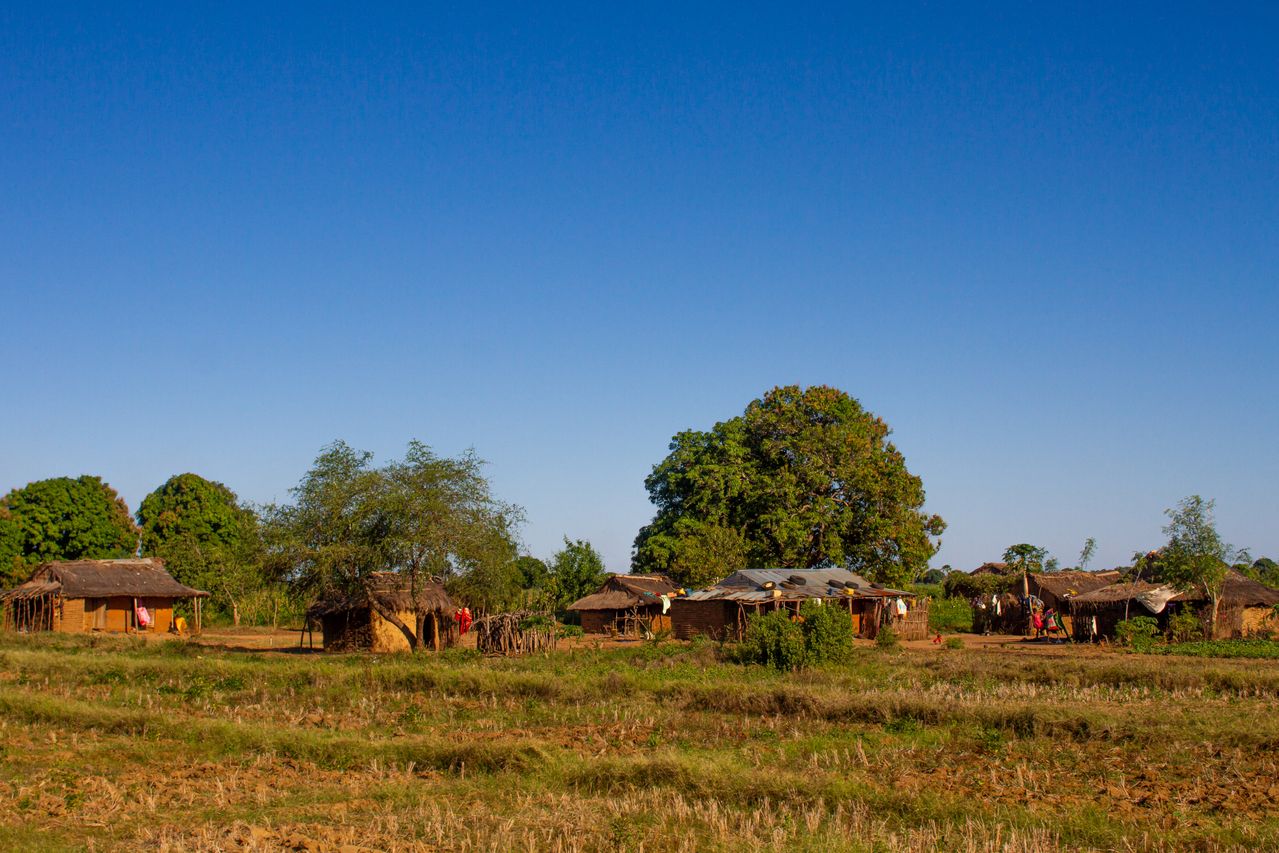
The journey into this particular village felt like a gradual unwinding. The paved roads gave way to rougher tracks, the constant blare of city horns slowly receded, replaced by the rustle of leaves and the distant lowing of cattle. When I finally stepped off the motorbike, the first thing that truly enveloped me was the silence. It wasn’t a barren, empty silence, but a rich, living quietude, woven from the subtle threads of a natural rhythm. I watched children making their slow way home from school, their laughter soft on the breeze. Farmers moved with an unhurried purpose through their fields, their figures silhouetted against the wide sky. Small shops along the dusty path were opening at their own pace, no frantic rush to catch early customers. The persistent hum of city life, the endless drone of traffic and commerce, was absent, replaced instead by the chirping of unseen birds and the whisper of the wind through the trees. It felt as if time itself had decided to slow its relentless march, settling into a gentler cadence, a schedule dictated not by urgency or the clock, but by the sun and the natural pulse of the day.
This kind of village, I realised, was often overlooked for the simplest of reasons. There were no viral social media sensations—no slick TikTok videos or curated Instagram reels pushing its beauty to the forefront. No major safari operators or international travel agencies had bothered to brand it as a “must-see” destination. It wasn’t marketed as anything at all; it was just a working village, living its life. And in that very absence of commercial polish, in that quiet, unassuming reality, lay its unique and profound charm.
What made this place truly unforgettable wasn’t a grand monument or a designated attraction; it was the unfolding tapestry of everyday life. I found myself spending hours simply observing, completely absorbed in the mundane yet beautiful rituals around me. I watched women arranging fresh produce at their roadside stalls, their voices a melodic hum as they bartered with customers. Farmers returned home, their shoulders heavy with the day’s harvested crops, their faces etched with the honest fatigue of labor. Local boda bodas, motorbikes that served as taxis, moved unhurriedly along the dusty lanes, kicking up small clouds of red earth. Children, free from the pull of screens, created their own worlds, playing simple, timeless games in the open fields, their shouts of joy carrying clear on the air. Everything felt genuine, unfiltered, and utterly real – a world that hadn’t been manicured or staged for the tourist gaze.
One of the most appealing aspects of this kind of travel, I quickly discovered, was its inherent affordability. My daily budget here wasn’t a source of stress; it was remarkably liberating. A matatu ride to the nearest market town typically cost between KSh 200–400, a small fraction of what one might pay for a taxi in Nairobi. The final leg into the village on a boda boda was another KSh 100–200. And food? Delicious, fresh meals from local kiosks or small, family-run eateries would rarely exceed KSh 100–300. All told, a day of exploration, sustenance, and local transport comfortably stayed under KSh 1,000. It quickly became clear that village travel was not only one of the most authentic ways to experience Kenya but also one of the most economical forms of exploration available.
Unlike the popular tourist hubs, these villages offered a profound depth of experience. Here, one could find truly authentic Kenyan culture, unmarred by the trappings of commercialization. There were no inflated tourist prices for goods or services, ensuring that every shilling spent went further and felt more honest. Interactions with locals were spontaneous and genuine, free from the transactional nature that can sometimes creep into heavily touristed areas. The environment was imbued with an overriding sense of peace, a quiet calm that allowed for deeper contemplation. And, of course, the cost of living was remarkably low. It became clear that experiencing Kenya deeply didn’t require luxury; it simply demanded finding the right place, a place where life unfolded in its truest form.
Spending time in the village fundamentally reshaped my understanding of travel itself. In the cities, travel often becomes a hurried affair: fast-paced, crowded, expensive, and meticulously planned down to the minute. But the village taught a different, invaluable lesson: that slowing down isn’t just a byproduct of the journey; it *is* the journey. I started to realize that the most profound and memorable experiences often surfaced in moments where nothing overtly dramatic was happening. There was no strict itinerary to follow, no checklist of sights to conquer. Instead, the magic came from simply existing within the flow of local life, observing, listening, and allowing the rhythm of the place to settle into your own being. This was a dimension of Kenya that many tourists, rushing from one famous landmark to another, never truly got to experience.
One of the most striking aspects, something that genuinely surprised me, was the overwhelming warmth and hospitality of the people. Despite being an obvious visitor, an outsider, I was met with genuine kindness at every turn. Locals greeted me warmly as I passed, their smiles unforced and inviting. They would offer directions without being asked, share stories about the area, and readily recommend the best places to find a meal. In these rural corners of Kenya, hospitality still felt like an inherent part of the culture, a natural and sincere gesture rather than a commercial transaction. It created an atmosphere that was completely different from the bustling, often impersonal, environment of crowded tourist destinations.
The food experience, for me, became one of the true highlights of the trip. There were no upscale restaurants with elaborate menus. Instead, my meals came from the most unassuming of places: roadside kiosks, small family-owned eateries, or vibrant local food stalls. The food itself was a revelation: incredibly fresh, wonderfully simple, surprisingly affordable, and consistently filling. Typical meals, as I mentioned, only cost KSh 100–300. And honestly, many of these simple, home-style dishes tasted far better than the food I’d eaten in expensive city restaurants. Everything felt homemade, prepared with care, and deeply authentic.
Finding these hidden villages in Kenya often isn’t a matter of searching online for “tourist destinations.” The best ones typically emerge through more organic means. Often, the most rewarding discoveries come from local recommendations; striking up a conversation with someone on a matatu or in a market can unlock a wealth of local knowledge. Equally, these interesting places usually lie off the main highways, requiring a willingness to veer onto less-traveled paths. Exploring smaller market towns often serves as a gateway, as many villages surround these rural centers. Ultimately, it comes down to choosing curiosity over popularity, trusting one’s instinct to explore unfamiliar routes rather than chasing the well-trodden, highly publicized spots.
Kenya, with its vast and varied landscapes, holds countless beautiful rural regions ripe for exploration. Some of the most peaceful and authentic areas include the verdant countryside of Central Kenya, the lively villages of Western Kenya, the expansive farming areas of the Rift Valley, the quiet coastal rural communities, and the serene highlands surrounding smaller towns. Each region offers its own distinct character: different landscapes to marvel at, unique local traditions to witness, a specific food culture to savour, and, consequently, a profoundly different travel experience waiting to unfold.
While village travel is generally peaceful and safe, a little preparation always goes a long way. I always made sure to travel during daylight hours whenever possible, as transport is more readily available and visibility is better. Asking locals for route guidance proved invaluable, particularly on less-marked roads. Carrying enough cash was essential, as digital payment options were often limited or non-existent in these remote areas. Most importantly, I made it a point to respect local customs and privacy, understanding that I was a guest in their home, not an observer in a staged attraction. Approaching village travel with respect and humility truly enhanced the entire experience.
For any traveller prioritizing affordability, villages are undoubtedly one of Kenya’s best-kept secrets. The reasons are straightforward: transport costs are significantly lower, relying on the affordable matatu and boda boda systems. Food is drastically cheaper, with local meals costing a mere fraction of what tourist restaurants charge. Accommodation, if needed, can be found in nearby small-town guesthouses at very inexpensive rates. But beyond the financial benefits, the experiences themselves feel far more authentic, offering a glimpse into real, everyday life rather than a curated version of tourism.
Modern travel often prioritizes excitement, luxury, and the perfect social media moment. Yet, these villages offer something far rarer and increasingly precious: profound peace. There’s no constant din of traffic, no hurried rush to get somewhere, no overwhelming crowds. Just open skies stretching endlessly above, the slow, deliberate movement of daily life, and a deep, unvarnished connection to the local rhythms. That particular kind of experience, quiet and unassuming, is becoming an incredibly valuable commodity in our fast-paced world.
The most truly underrated places in Kenya, I’ve come to understand, are often the ones no one is actively talking about. These small villages might not boast luxury resorts or world-famous landmarks, nor are they backed by massive tourism campaigns. But what they offer is far deeper: an unvarnished authenticity, a profound sense of peace, and a genuine human connection. Travelling through rural Kenya gently reminds you that true adventure doesn’t always spring from expensive, extravagant experiences. Sometimes, it blossoms from simple conversations shared with strangers, from walking quietly along a dusty road, from savouring fresh, honest food, and from slowing down enough to truly notice and appreciate the beauty of ordinary life unfolding around you. That, I believe, is the hidden beauty of Kenya that most tourists, in their rush, never get to see. And it’s exactly the kind of real, accessible travel experience, deeply connected to the local heart of Kenya, that I now seek to find and share.
Discover more from Time to Travel
Subscribe to get the latest posts sent to your email.