 Dan Ikwee
 Conquer Your Safari Packing Woes: A U.S. Traveler’s Guide
So, you’re going on safari? That’s amazing! Picture yourself cruising through the African savanna, spotting incredible animals, and making memories that will last a lifetime. But before you can fully embrace the excitement, there’s that age-old question: What on earth do I pack?
Unlike a city vacation where you can throw in some jeans and tees, a safari calls for a bit more planning, especially when it comes to your wardrobe. Trust me, the wrong choices can lead to some serious discomfort and even put a damper on your trip.
Are you stressing about what to wear? Don’t worry; you’re not the first, and you definitely won’t be the last. This guide is designed to help you avoid some common safari-clothing slip-ups and give you some practical and stylish choices. Let’s get you packing like a pro!
Problem 1: Color Confusion – Ditching the Bright’s

Many folks from the U.S. pack their favorite colorful vacation clothes, only to realize they stick out like a sore thumb on safari.
Why it’s a problem:
- Bright colors like red, yellow, and blue can grab the animals’ attention, maybe even spooking them.
- Dark colors, like black or navy, seem to attract those pesky tsetse flies, and their bites are no fun.
- White? It gets dusty in a heartbeat and reflects the sun right back at you.
The solution:
Instead, think earth tones. Khaki, beige, olive green, and brown are your friends. These colors blend in with the natural surroundings, helping you stay comfortable and avoid any unwanted attention. Choose light, breathable fabrics like cotton and linen for maximum comfort.
Quick Tip: Imagine you’re putting together a desert-inspired wardrobe. Muted and natural colors are the key!
Problem 2: Temperature Tango – Dressing for Anything
A lot of U.S. travelers assume Africa equals constant heat. But surprise! Safari mornings can be surprisingly chilly, while afternoons can be scorching.
Why it’s a problem: Packing only light summer clothes will leave you shivering during those early morning game drives. On the other hand, bringing too many heavy clothes will make your luggage a nightmare to manage.
The solution:
Layering is your superpower! Pack clothes you can easily put on or take off as the temperature shifts. A light fleece or windbreaker is great for mornings and evenings, while lightweight shirts and pants are perfect for the afternoon heat. Don’t forget a waterproof jacket and quick-drying clothes in case of rain.
Quick Tip: Think in threes! A base layer (like a t-shirt), a mid-layer (a light fleece), and an outer layer (a windbreaker) will cover all your bases.
Problem 3: The Over packing Puzzle – Less is More!
We’re used to generous baggage allowances on U.S. airlines. But safari flights, especially on smaller planes, often have much stricter weight limits (think around 33 lbs.).
Why it’s a problem: Over packing will make moving between locations a pain. Too many clothes equal stress and extra fees.
The solution:
Pick clothes that mix and match well, and stick to those neutral colors we talked about. Consider versatile pieces like convertible pants that zip off into shorts. See if your lodges have laundry services – many offer quick turnaround.
Quick Tip: Pack like you’re going away for five days, not two weeks. Laundry is your friend!
Problem 4: Shoe Shenanigans – Boots or Sneakers?
Figuring out footwear can be tricky. Do you need heavy-duty hiking boots, sandals, or just regular sneakers?
Why it’s a problem: Hiking boots can take up a ton of space and add weight. Sneakers might not offer enough protection from bugs or rough ground, and sandals leave your feet vulnerable.
The solution:
For game drives, lightweight hiking boots or sturdy sneakers are ideal. If you’re planning on any bush walks, closed-toe shoes are a must for protection. At the lodges, comfortable sandals or slip-ons are perfect for relaxing in the evenings.
Quick Tip: Pack one pair of light boots and one pair of comfy slip-ons, and you’ll be set.
Problem 5: Photo-Ready Fashion – Stylish and Savvy
Let’s be honest, safari photos are a big deal! You want those Instagram-worthy shots, but you also need to be practical.
Why it’s a problem: Trendy vacation outfits often don’t hold up well in rugged safari conditions. Plus, super-bright clothes can really stand out in photos (and not in a good way).
The solution:
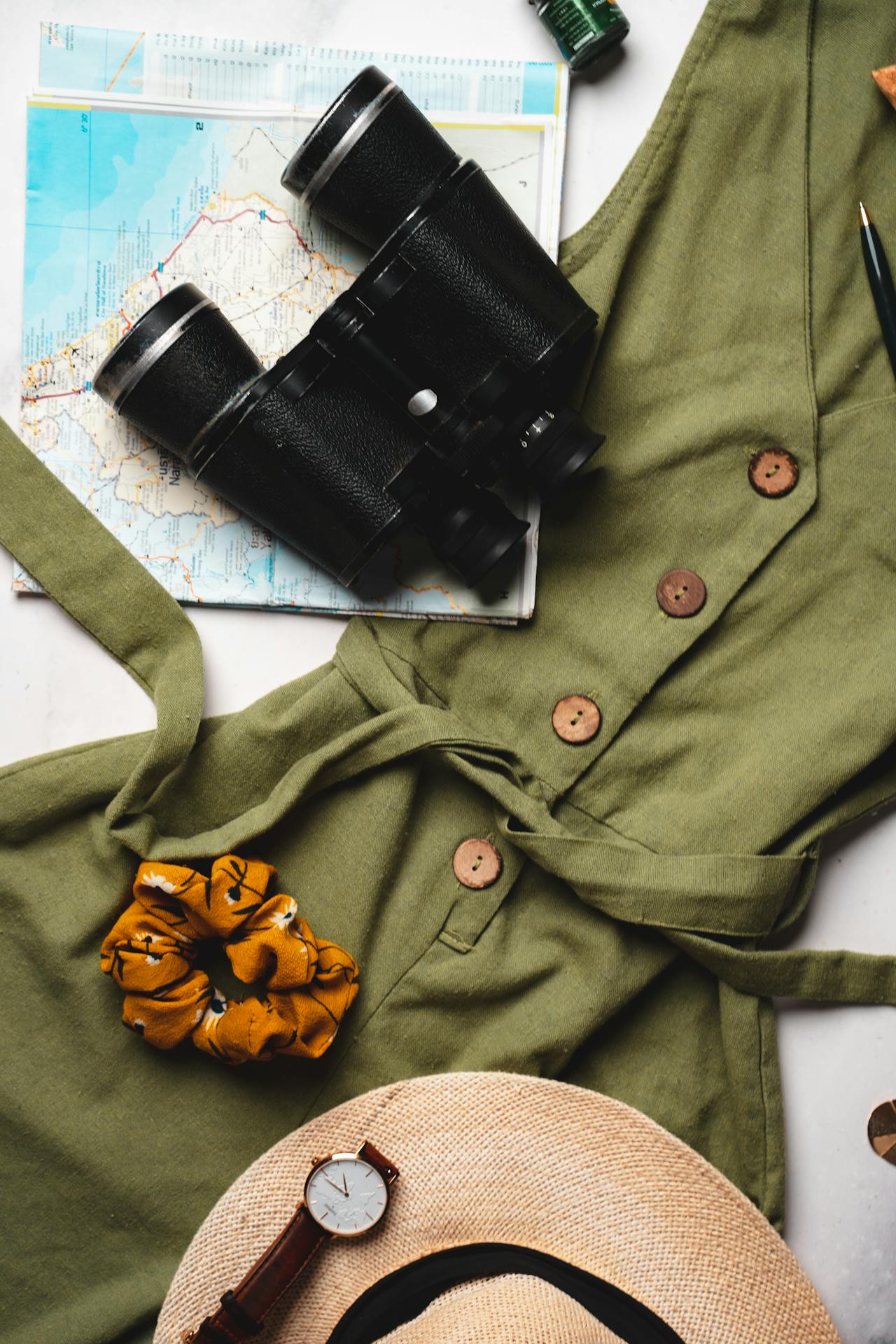
Stick to classic safari styles: earthy tones, cotton shirts, and wide-brim hats. Natural fabrics like linen and cotton will keep you cool and look great in photos. Add a scarf and sunglasses for a touch of style and practicality.
Quick Tip: Channel your inner Indiana Jones meets casual chic. Simple, functional, and timeless!
Problem 6: Accessory Essentials – Don’t Forget These!
Clothes are just part of the equation, right accessories can really make or break your safari trip.
Why it’s a problem: Forgetting bug spray, a hat, or sunglasses can lead to some serious discomfort. But over packing unnecessary gadgets is a waste of space.
The solution: Must-have accessories:
- Polarized sunglasses
- Wide-brim hat
- Lightweight scarf/bandana
- Small backpack for essentials
- Reusable water bottle
- Good bug repellent and sunscreen
Quick Tip: If you forget everything else, at least bring a hat, sunglasses, bug spray, and sunscreen!
Problem 7: Dresses, Skirts, and Fancy Clothes – To Pack or Not to Pack?
Some travelers, especially women, wonder if they should pack dresses or dressy outfits.
Why it’s a problem: Formal outfits add extra weight to your suitcase. Skirts and short dresses can be awkward on game drives.
The solution:
- During the day, stick to practical pants or shorts and shirts.
- For evenings at the lodges, casual maxi dresses or skirts are fine. Leave the formal wear at home – even high-end lodges are relaxed and casual.
Quick Tip: Bring one neutral-colored dress for dinners, and keep everything else casual.
Problem 8: Rainy Season Woes – Staying Dry
Rainy weather can catch travelers off guard, especially if they’re only prepared for hot weather.
Why it’s a problem:
Getting soaked on a game drive can ruin the experience. Wet clothes take forever to dry in humid climates.
The solution:
- Pack a lightweight waterproof jacket or poncho.
- Choose quick-drying clothes, and skip heavy fabrics like denim.
- Waterproof your shoes or bring light rain boots.
Quick Tip: A packable raincoat is a game-changer!
Problem 9: Blending In – Respectful Dressing
Safaris sometimes include visits to local communities, and it’s important to think about dressing respectfully.
Why it’s a problem: Revealing clothing can be seen as disrespectful. Flashy jewelry and accessories can attract unwanted attention.
The solution:
- Dress modestly during cultural visits.
- Cover your shoulders and knees when visiting local communities.
- Avoid wearing flashy jewelry or displaying expensive brands.
Quick Tip: Pack a neutral scarf – it works as sun protection and a cultural cover-up.
Problem 10: The Big Question – How Much is enough?
This is what everyone struggles with. Too much? Too little? Don’t sweat it!!!
The solution is a simple checklist:
- 3–4 lightweight shirts (long sleeves are a good idea)
- 2–3 pairs of cargo pants or convertible pants
- 1–2 casual dresses or skirts (optional)
- 1 fleece jacket or windbreaker
- 1 lightweight rain jacket or poncho
- 1–2 pairs of shorts for relaxing
- 1 wide-brim hat
- 1 scarf or bandana
- Hiking shoes + sandals or slip-ons
- Sunglasses, bug repellent, and sunscreen
- Daypack and reusable water bottle
Quick Tip: Lay out everything you want to bring. Now remove 30%. You’ll thank yourself later!
Frequently Asked Questions (FAQs)
- What colors should I wear on safari?
- Earth tones – khaki, beige, olive, and brown. Avoid bright colors, black, and navy.
- Can I wear jeans on safari?
- Not a great idea. They’re heavy, hot, and uncomfortable in dusty or wet conditions.
- Do I need hiking boots?
- Lightweight boots or sturdy sneakers are usually enough. Heavy hiking boots aren’t needed unless you’re planning on doing some serious trekking.
- Should I bring formal clothes?
- Nope. Safari lodges are generally pretty casual. A simple dress or a nice shirt is fine for dinner.
- Do I need warm clothes?
- Yes! Mornings and evenings can be chilly, so pack a fleece jacket.
- How much should I pack?
- Pack light. Most lodges have laundry services, so focus on versatile pieces.
- Can I wear sandals on safari?
- Yes, around the lodges. But always wear closed-toe shoes on game drives and walks.
- Is camouflage clothing allowed?
- No. In many countries, it’s restricted for civilians because it’s associated with the military.
Final Thoughts: Packing Peace of Mind
As we come to the close of this guide, one thing is undeniable: packing for a safari isn’t about throwing outfits into a suitcase — it’s about setting yourself up for the experience of a lifetime. For U.S. travelers, the allure of Africa’s wide-open savannahs, dazzling wildlife, and breathtaking sunsets comes with one critical challenge: being properly prepared so your clothing and gear support every step of your journey rather than working against you.
Throughout this guide, we’ve unraveled the packing nightmares that so many travelers face — from overstuffed bags filled with impractical clothes to painful mistakes like ignoring climate changes, choosing the wrong fabrics, or forgetting vital accessories. These errors may seem small when you’re standing in front of your closet at home, but once you’re under the relentless African sun, bumping along a dusty safari track, or shivering during a chilly dawn game drive, they transform into frustrations that overshadow the wonder of your trip.
Safari fashion has long been romanticized in film and travel magazines, but in reality, it’s far less about style and much more about survival, comfort, and respect for the environment. The ultimate safari wardrobe isn’t built to impress — it’s built to protect: from the heat, the cold, the insects, and the cultural sensitivities of the places you’ll visit. When you pack well, you give yourself freedom. Freedom to focus on the majestic lions crossing your path rather than the discomfort of tight jeans. Freedom to immerse in local encounters without worrying that your bright clothing is drawing unwanted attention. Freedom to capture once-in-a-lifetime photographs without swatting away mosquitos every second. The right wardrobe, then, is not just about clothes — it’s about confidence. It’s knowing that, whatever Kenya, Tanzania, South Africa, or Botswana throws at you, you’re ready.
Let’s be honest: travel regrets often don’t stem from the experiences themselves, but from the distractions that cloud them. Few things feel worse than standing before an unforgettable safari scene — elephants gathered at a watering hole at sunset, wildebeest migrating across the plains — and realizing you’re too uncomfortable, too distracted, or too underprepared to enjoy it fully. For U.S. travelers who may be embarking on their first safari, the temptation is to either overpack with “just-in-case” outfits or underpack by assuming a safari is like any other vacation. Both mistakes lead to regret. And regret is the last thing you want to carry back home alongside your souvenirs. This is why mastering your safari wardrobe isn’t trivial. It is a gift you give yourself: the ability to be fully present, comfortable, and emotionally free to soak in the wonder of Africa.
Another layer to consider is respect. Safari travel is not only about you — it’s about the environment, the wildlife, and the people you meet. Choosing earth-toned clothing respects the natural ecosystem by helping you blend in rather than disturb. Packing modest options respects local cultures and traditions. Wearing the right footwear respects your own body’s limits as you walk, hike, or climb. When you pack thoughtfully, you demonstrate a deeper awareness of the privilege it is to enter these wild, sacred landscapes. You’re not simply a tourist consuming experiences; you become a traveler who honors the place you’re in.
Many U.S. travelers board their flights to Africa with a swirl of doubts in their minds: Did I pack enough layers? What if it rains? Do I really need neutral colors? Did I bring the right shoes? These anxieties can be paralyzing — but only if you let them. By following the lessons of this wardrobe guide and avoiding the mistakes we’ve highlighted, you transform uncertainty into assurance. You won’t need to second-guess your choices because you’ll know you’ve packed with intention. Each item in your bag will serve a purpose, each layer will protect you, and each accessory will enhance rather than hinder your journey. And that assurance frees you to do what you came for: to lose yourself in the immensity of Africa’s wilderness, to connect deeply with its people, and to return home with not just photographs but stories, feelings, and lessons you’ll treasure for life.
At the end of the day, this guide has not been about shirts, pants, or hats. It has been about ensuring that those choices don’t steal from your safari experience. Your safari wardrobe should be invisible — not in appearance, but in impact. You should forget what you’re wearing because you’re too absorbed in the moment, whether it’s the call of a fish eagle over the Mara River or the quiet awe of watching a rhino graze at dusk. Clothing should never be the star of your safari; the landscapes, the animals, and the emotions should be. That’s why solving packing nightmares before they ruin your trip is so essential. The fewer problems you carry in your suitcase, the more space you leave for joy, awe, and discovery.
For many Americans, a safari is not just another trip — it’s a dream, one often saved for years, planned meticulously, and anticipated with deep excitement. It might be the first journey to Africa, the first time seeing animals outside a zoo, the first time waking to the wild silence of the bush. Such a trip deserves more than rushed decisions or careless oversights. So, as you close this guide and look again at your suitcase, remember this: the choices you make now will echo through every sunrise game drive, every campfire night, every photograph, and every memory. Pack poorly, and those choices will haunt you. Pack wisely, and they will empower you. This is your adventure of a lifetime — don’t let something as preventable as a wardrobe mistake steal even a second from it.
In the end, the ultimate safari wardrobe for U.S. travelers is not a checklist but a mindset. It’s the mindset that says: I respect this journey enough to prepare for it well. I respect myself enough to travel in comfort and confidence. I respect Africa enough to adapt to its rhythms instead of forcing my own. When you embrace that mindset, you’ll find that your suitcase feels lighter, your steps feel freer, and your heart feels fuller. The packing nightmares vanish, and in their place comes peace of mind — the kind that allows you to look out over the savannah, breathe deeply, and know you’ve done everything you could to honor this extraordinary journey.
So pack with intention, travel with confidence, and step into your safari knowing you’re ready — not just in what you wear, but in how you experience every single moment.
Written by Dan Ikwee
Dan Ikwee is a Kenyan travel researcher, storyteller, and cultural explorer with a deep interest in local travel, heritage, and mental wellness through travel. Through DanTravelHub, he shares firsthand experiences, travel guides, and cultural insights drawn from real journeys across Kenya’s regions, festivals, and communities.
Discover more from Time to Travel
Subscribe to get the latest posts sent to your email.